We focus on the development of commercial air travel since 2000 until now because it is the period of significant transformations in both operational efficiency and customer satisfaction indicators. The terrorist attacks on September 11, 2001 is a historical turning point. In response, carriers adapted by restructuring routes, enhancing delay management, and refining segmentation strategies based on travel purpose, demographics, and loyalty. These developments offer crucial background for understanding how airlines have adjusted their operations and services to meet evolving passenger expectations and performance demands.
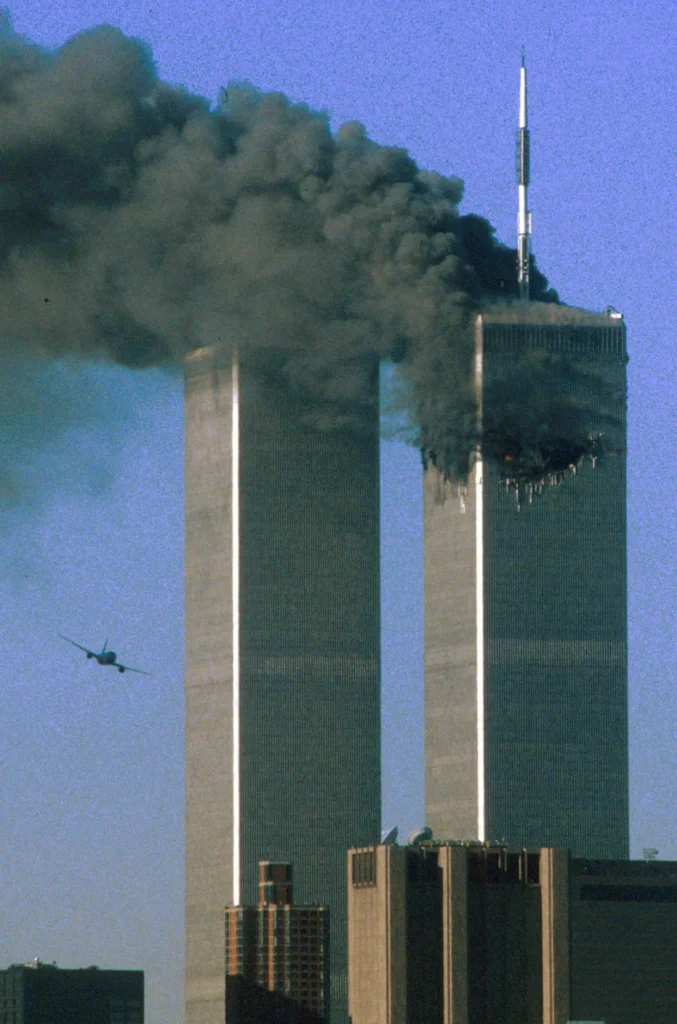
9/11/2001
Terrorist Attacks
The 9/11 terrorist attacks occurred on September 11, 2001, when al-Qaeda hijackers crashed four commercial airplanes, striking the World Trade Center in New York City and the Pentagon near Washington, D.C., while a fourth plane, United Airlines Flight 93, crashed in Pennsylvania after passengers intervened. The attacks killed nearly 3,000 people and caused massive destruction, becoming the deadliest terrorist act in U.S. history. In response, the United States launched the War on Terror, including the invasion of Afghanistan to dismantle al-Qaeda and remove the Taliban from power.
Later, TSA creation and government takes over airport security. Liquid restrictions, shoe removal, full-body scanners, PreCheck all become norms.
12/9/2002
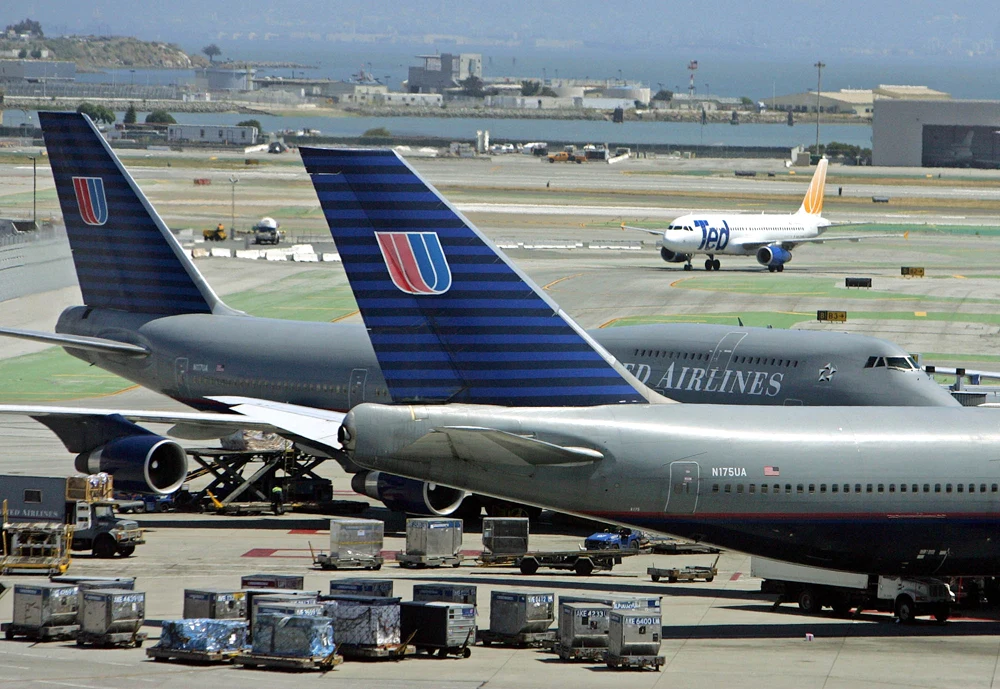
United Airlines Filed For Bankruptcy Protection
On December 9, 2002, United Airlines filed for Chapter 11 bankruptcy protection, marking the largest airline bankruptcy in U.S. history at the time. The filing was driven by a combination of factors, including a sharp decline in air travel following the September 11 attacks—two of the hijacked planes were United flights—and mounting financial losses totaling $4 billion over the preceding two years. Despite the bankruptcy, United continued operations, secured $1.5 billion in debtor-in-possession financing, and emerged from bankruptcy in 2006 after significant restructuring, including workforce reductions and route eliminations.
2005 – 2008
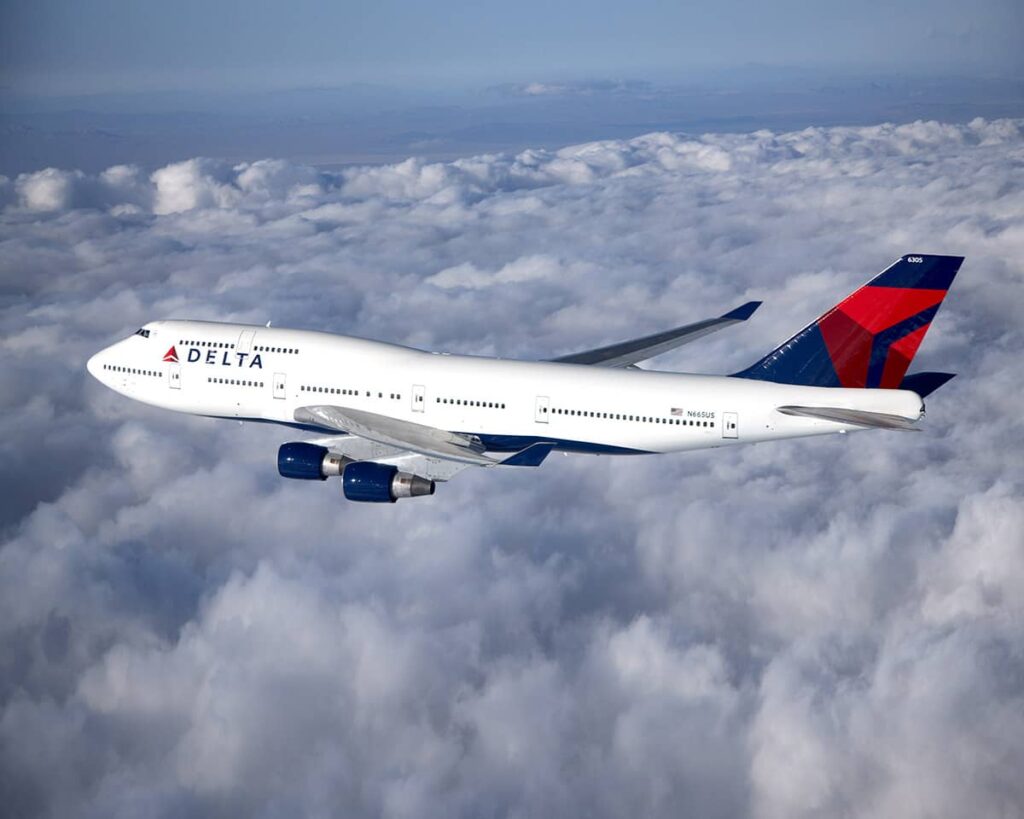
Fuel Crisis And Mergers Begin
Between 2005 and 2008, U.S. airlines faced a severe fuel crisis as oil prices soared, drastically increasing operating costs and pushing many carriers into financial distress. In response, the industry began a wave of mergers—most notably the Delta-Northwest merger announced in 2008—to consolidate resources, reduce competition, and improve profitability.
2008
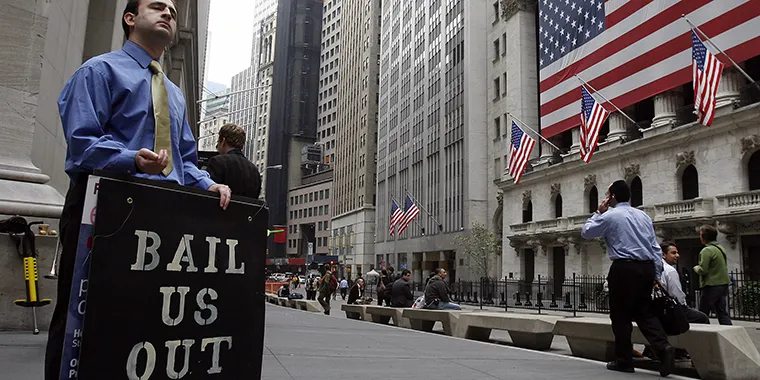
Global Financial Crisis
During the 2008 Global Financial Crisis, airlines faced major financial strain due to plummeting demand and rising operational costs. To cut expenses, many carriers reduced customer perks such as free meals and checked baggage, while also shrinking seat legroom to fit more passengers per flight. At the same time, they shifted toward a low-price, à la carte model, charging separately for services that were once included.
2010 – 2015
Major Consolidation
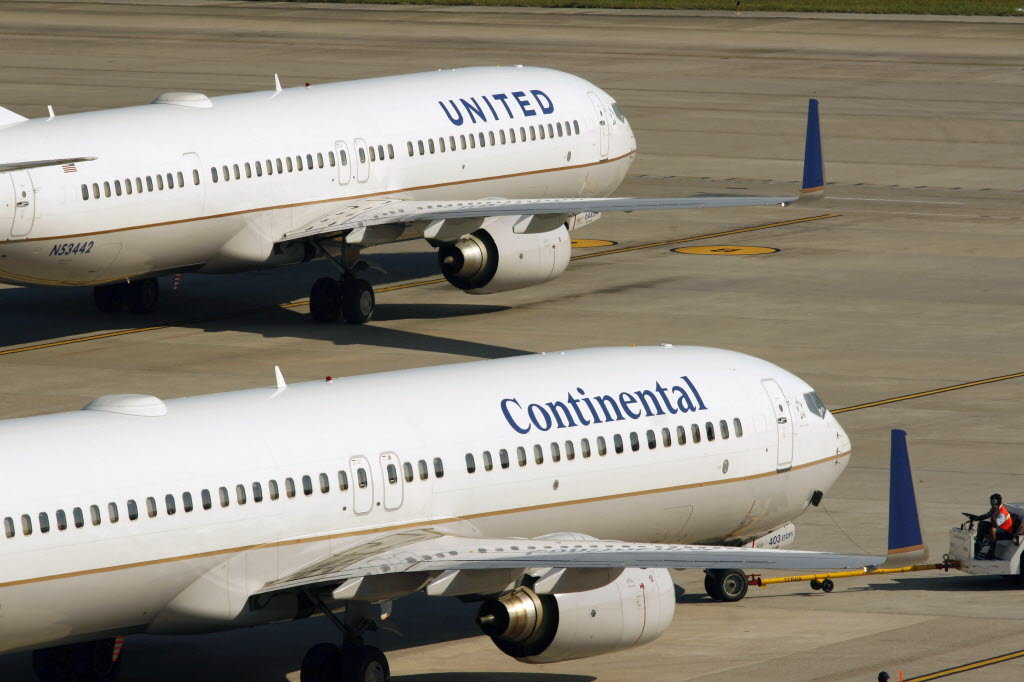
From 2010 to 2015, the U.S. airline industry underwent major consolidation as several legacy carriers merged to stabilize finances and reduce competition. Key mergers during this period included United with Continental (2010), Southwest with AirTran (2011), and American Airlines with US Airways (finalized in 2013), reshaping the industry into a few dominant players.
2015 – 2019
In-flight Entertainment Upgrade
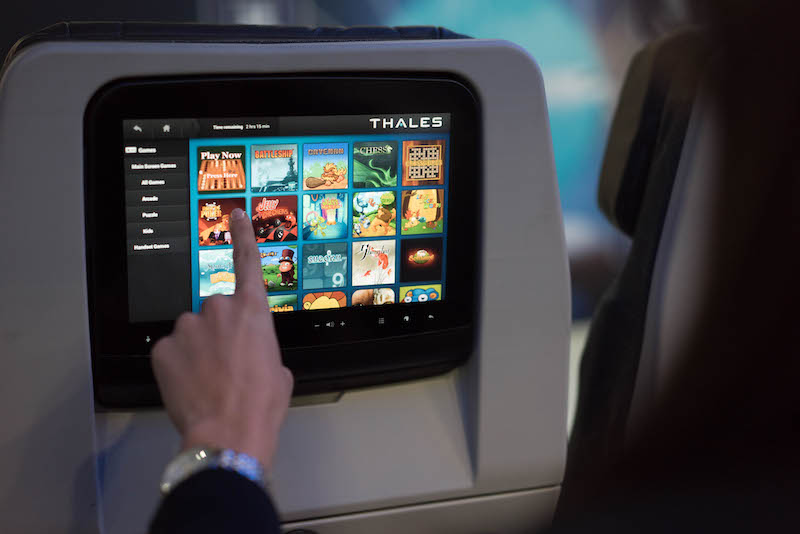
Between 2015 and 2019, U.S. airlines invested heavily in upgrading in-flight entertainment, with Wi-Fi, mobile apps, and personal seatback screens becoming standard features. This shift catered to growing passenger expectations for connectivity and personalized experiences during flights. At the same time, loyalty programs evolved to reward travelers based on how much they spent rather than the miles they flew, favoring high-paying customers over frequent flyers.
2020
COVID-19 Pandemic Outbreak
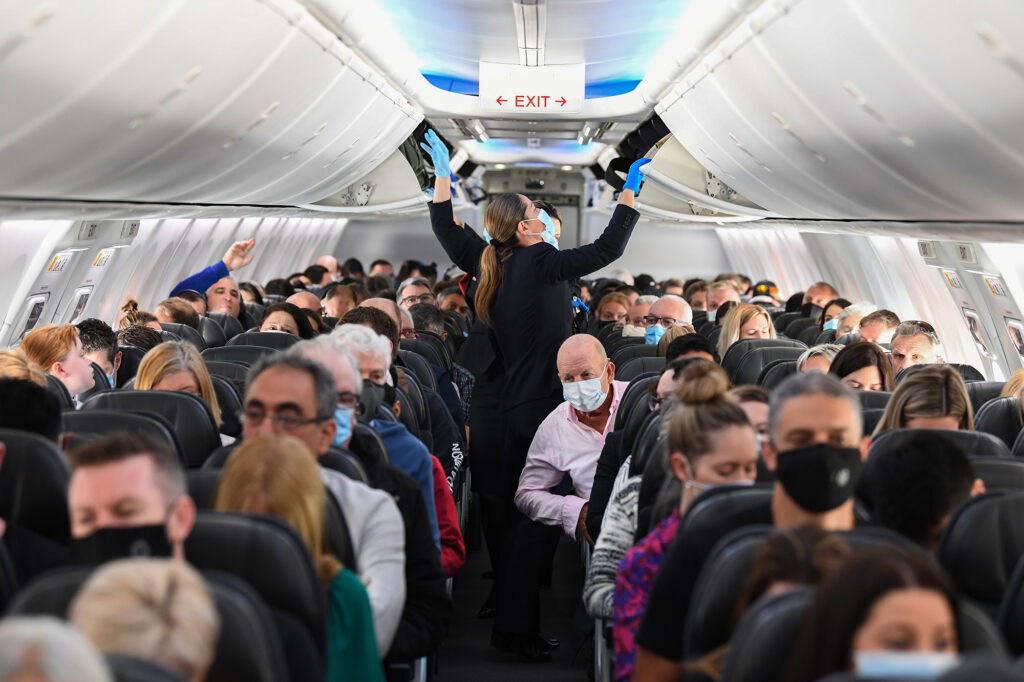
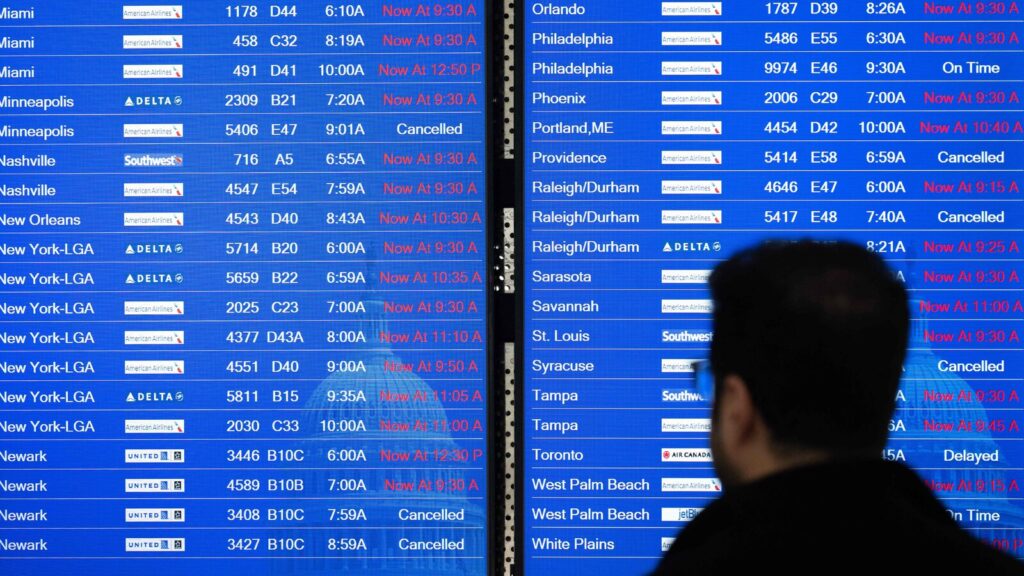
During the COVID-19 pandemic, airlines experienced massive drops in customer satisfaction due to widespread cancellations, delays, and severe staffing shortages. In addition to health concerns and mandatory safety protocols like mask-wearing, passengers faced unpredictable travel disruptions caused by reduced schedules and operational challenges. These issues, compounded by changing government restrictions, led to frustration and a decline in overall trust in airline reliability.
2021 – 2022
Post-Pandemic Airline Struggles
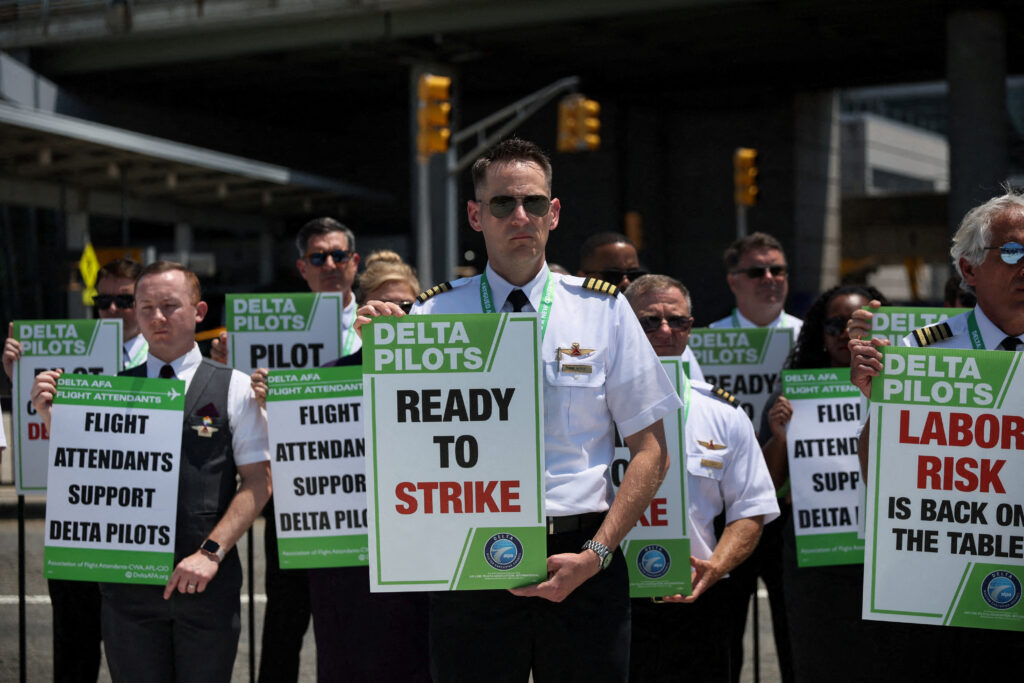
Between 2021 and 2022, U.S. airlines faced significant challenges in recovering from the COVID-19 pandemic, grappling with a severe pilot shortage that led to widespread flight cancellations and grounded aircraft, particularly among regional carriers . This shortage was exacerbated by early retirements and insufficient training pipelines, prompting airlines to offer substantial pay increases and bonuses to attract and retain pilots . Simultaneously, labor disputes intensified, with pilots at major airlines like Delta and Alaska Airlines protesting for better contracts and working conditions, highlighting the industry’s ongoing struggles with staffing and labor relations during the recovery period .
2023
Recovery And Regulation
In the wake of widespread travel disruptions, the U.S. Department of Transportation (DOT) began enforcing stricter refund policies to hold airlines accountable for cancellations and delays. New regulations aimed to ensure passengers received timely refunds for significant schedule changes or unfulfilled services. These efforts marked a broader push to strengthen consumer protections and restore public trust in air travel.
2023 – 2024
Sustainable Skies And Smart Service
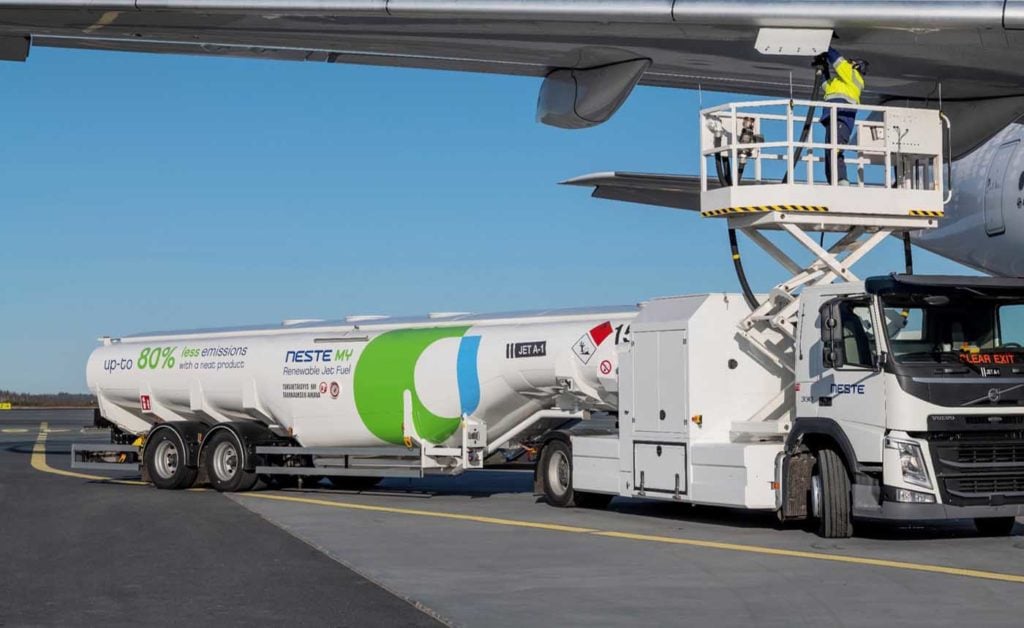
Between 2023 and 2024, airlines intensified investments in sustainability and AI-driven customer service to enhance passenger satisfaction and operational efficiency. Major carriers like Delta, United, and American Airlines expanded their use of Sustainable Aviation Fuel (SAF) and upgraded to more fuel-efficient aircraft, aiming for net-zero emissions by 2050 . Concurrently, airlines adopted AI technologies such as chatbots and virtual assistants to provide 24/7 support, streamline bookings, and offer personalized travel experiences, thereby improving customer engagement and reducing operational costs.
2024 – 2025
Airline Satisfaction Rebounds, But Delays And Fees Remain Issues
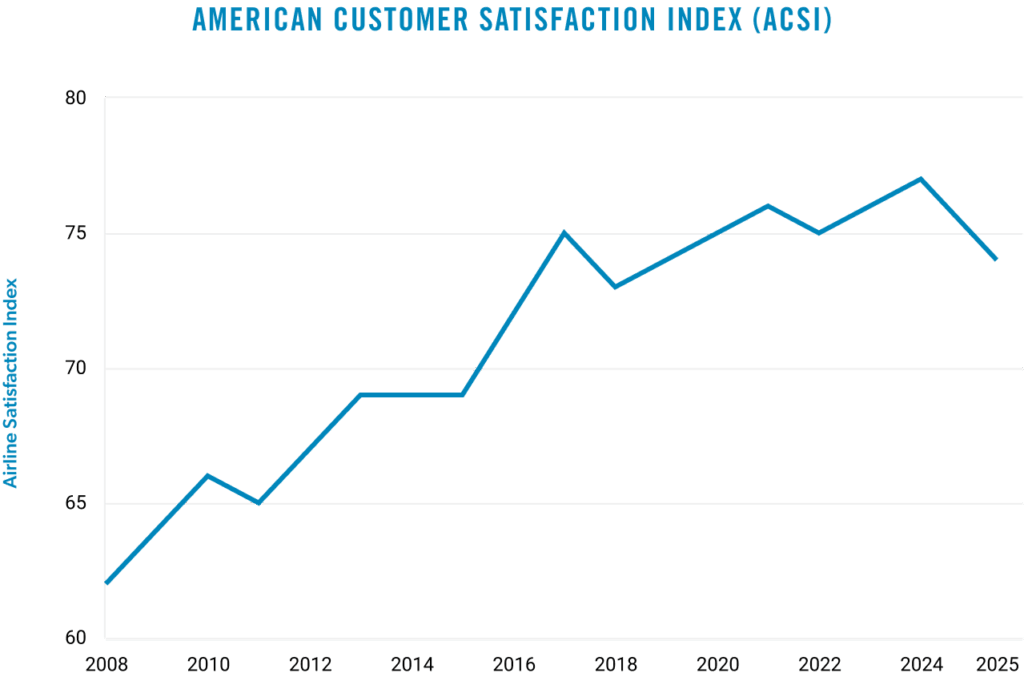
Between 2024 and 2025, U.S. airlines experienced a stabilization in customer satisfaction as the industry continued to recover from pandemic-related disruptions. According to the American Customer Satisfaction Index (ACSI), the airline industry’s satisfaction score reached an all-time high of 77, marking the second consecutive year of improvement . However, persistent issues such as flight delays and concerns over fee transparency remained prominent, leading to record-high complaints; in 2024 alone, the Department of Transportation received 66,675 complaints about U.S. airlines, reflecting a nearly 9% increase from the previous year .